Premier Aviation Academy

Your Journey to the Sky Starts Here - Welcome to India's Premier Aviation Academy

The dream of flying does not belong to the few. It belongs to every individual bold enough to pursue it. Whether you have been staring at the sky since childhood or recently discovered your calling in aviation, our commercial pilot training program is designed to turn that dream into a professional career. As one of the most respected DGCA approved flying schools in India, we work with aspiring pilots who want a serious, structured route toward the cockpit.

If you have been searching for the best aviation academy in India, one that pairs disciplined training with personalised mentorship, you have found the kind of environment serious students look for. This page walks you through every major course we offer, how the training journey unfolds, and why choosing the right flying school is one of the most important decisions an aspiring pilot can make.

Commercial pilot training is not just a course purchase. It is a professional pathway that affects your timeline, your safety culture, your confidence, and your long-term employability. That is why students and families need clarity from the start on curriculum, DGCA compliance, training stages, ratings, costs, and career outcomes.

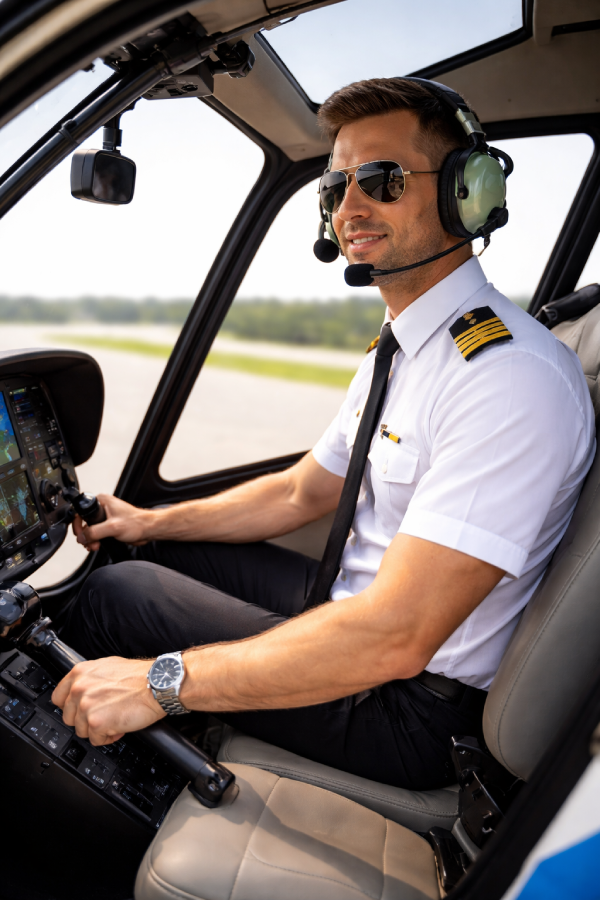
Student pilot receiving cockpit training
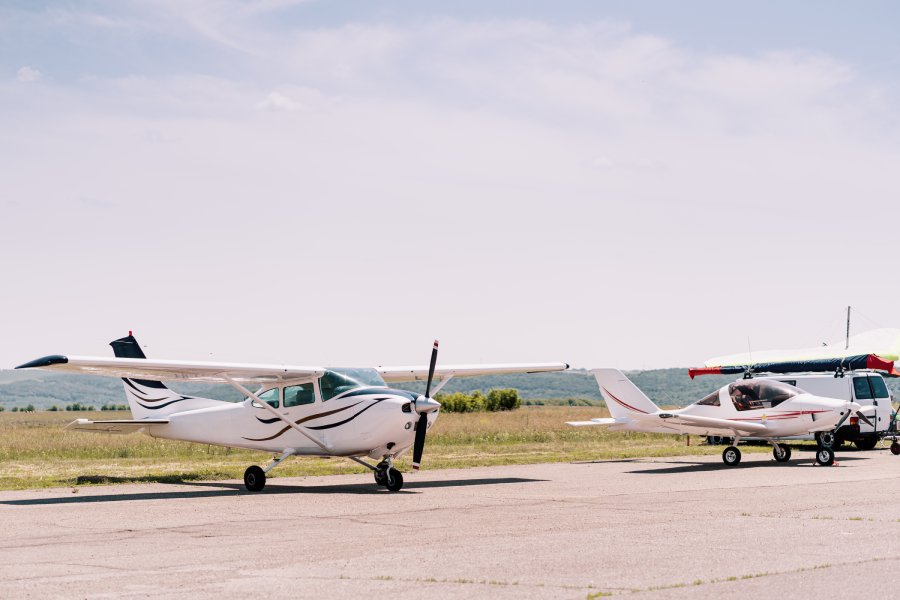
DGCA ground class at SPA Aviation Training aircraft on an airport ramp
Aviation training team preparing aircraft for student pilot operations
Why Choose Us

Why Choose Us as Your Pilot Academy in India?

Students often compare institutions by marketing alone, but the best pilot academy in India is not defined by branding. It is defined by systems, standards, accountability, and training honesty. A good academy prepares you for the full reality of aviation: DGCA exams, cockpit discipline, flight training consistency, ratings, professionalism, and life after licence issue.

DGCA approved and industry recognised

Every serious pilot training route in India must begin with regulatory validity. A DGCA approved flying school is the only path to a legally valid commercial pilot licence or private pilot license in India. Our training approach is built around compliance, current standards, and training discipline.


Modern fleet and realistic preparation

Flight training requires more than logging time. Students need quality aircraft, reliable availability, and systems that help them prepare before every sortie. Better equipment and better briefing systems lead to sharper instincts and steadier progress.

Experienced faculty with operational judgment

Our instructors are not just textbook explainers. They teach with the situational awareness and decision-making mindset professional aviation demands, helping students learn how to fly and how to think like pilots.

Placement support and airline-facing guidance

A CPL is a milestone, not the finish line. Students also need support with interview readiness, type rating planning, ATPL progression strategy, and long-term career direction. Strong training should prepare students for that next stage too.

Flight Training Courses

Our Flight Training Courses - Find the Right Path for You

We offer a complete range of flight training courses for beginners and advanced-level aspirants. Some students know from the beginning that they want to pursue airline careers. Others want to begin with private pilot training, test their aptitude, and then move forward with a commercial pilot course later. Both approaches can work when guided properly.

Commercial pilot training program
CPL Journey

1. Commercial Pilot Training Program - The Full CPL Journey

A Commercial Pilot Licence, or CPL, is the qualification issued by DGCA that authorises a pilot to be paid for flying aircraft. It is the primary career credential for anyone aspiring to fly with an airline, charter company, or in corporate aviation. This is the flagship commercial pilot training program at our academy and the most comprehensive course we offer.

Private pilot license training
PPL

2. Private Pilot Training - Learn to Fly for Passion or Profession

A Private Pilot License, or PPL, is the entry-level pilot certification in India. It allows you to fly single-engine aircraft for personal, recreational, or non-commercial purposes. Many aspiring airline pilots begin with private pilot license training before advancing to CPL, while others pursue a PPL simply for the joy and discipline of flying.

Instrument rating simulator training
Ratings

4. Instrument Rating (IR) Training

An Instrument Rating allows pilots to fly in low visibility and Instrument Meteorological Conditions. It is a mandatory component of professional commercial flying and one of the most important technical layers in the commercial pilot training journey. Students train in instrument scanning, navigation aids, approach procedures, holding patterns, and emergency management under higher workload conditions.

Commercial Pilot Course Structure

Commercial pilot course structure

Our commercial pilot course is structured across three integrated phases so students can move from academic preparation to flying competence and finally to licence readiness with clarity.

Commercial pilot training roadmap and student briefing

Phase 1 - Ground school and theory

This phase generally covers around 6 months and includes Air Navigation, Meteorology, Air Regulations, Technical General, Technical Specific, and Radio Telephony. Students work through classes, assignments, revision cycles, and mock tests before appearing for DGCA written exams.

Phase 2 - Basic flying training

This phase usually spans 4 to 5 months and includes dual instruction, pre-solo drills, first solo, cross-country navigation, and night flying. Students often build 100 to 150 hours during this stage depending on scheduling continuity.

Phase 3 - Advanced flying and skill test preparation

This phase generally spans 3 to 4 months and includes advanced flying, instrument procedures, multi-engine preparation where applicable, and full CPL skill test readiness before the DGCA examiner evaluation.

Total hours and expected duration

DGCA mandates a minimum of 200 flight hours for CPL issuance, including at least 100 Pilot-in-Command hours. The complete commercial pilot training program typically spans 18 to 24 months depending on student progress, weather, and aircraft availability.

Who can apply for commercial pilot training?

  • Minimum age of 17 years at the time of first solo and 18 years for CPL issuance.
  • 10+2 with Physics and Mathematics as mandated by DGCA.
  • Class 1 Medical Certificate from a DGCA-approved medical examiner.
  • Strong functional English suitable for aviation communication.

Career after CPL

After securing a DGCA-issued commercial pilot licence, the path forward can include First Officer opportunities, charter or corporate aviation roles, instructional flying with additional endorsement, and further progression toward ATPL and type rating. A good commercial pilot course prepares students for life after the licence, not just the licence itself.

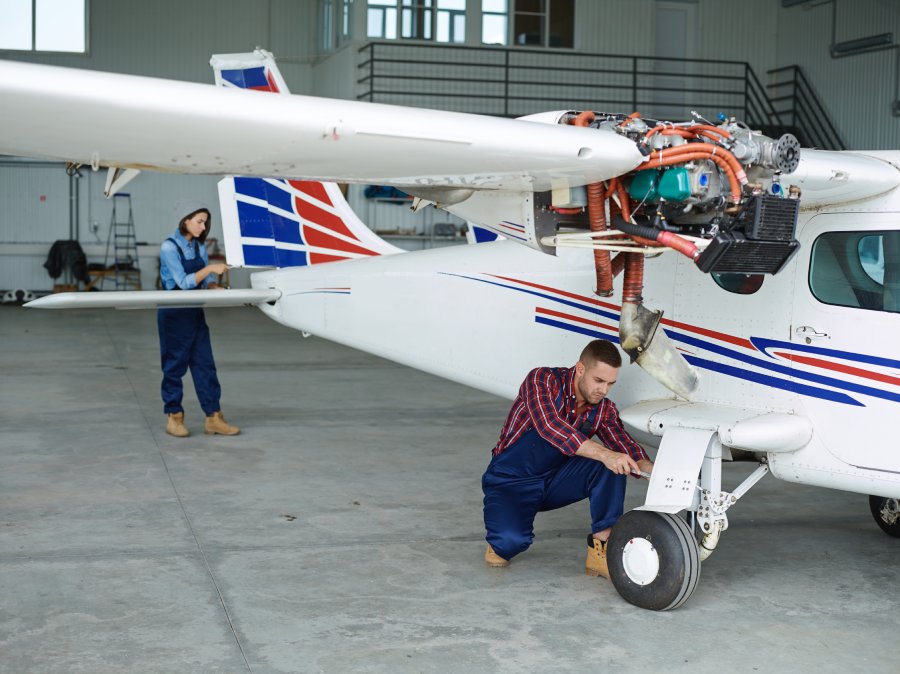
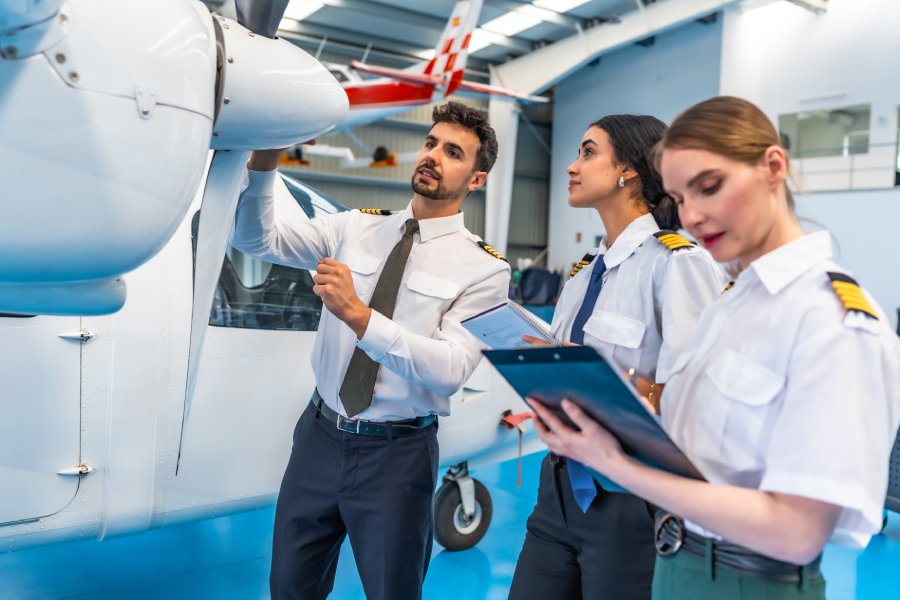
Aviation team inspecting aircraft in hangar
Integrated Pathway

3. Pilot License Course - The Integrated Pathway

Students who want the most efficient and structured route from zero to licence often choose an integrated pilot license course. Instead of completing each stage as a separate modular block, the integrated route is designed as one continuous training flow where every stage feeds directly into the next. This is especially useful for full-time students who want to maintain momentum and complete training on a more focused schedule.

Integrated vs Modular Pathway

Both pathways lead to the same licence outcome. The better option depends on your learning style, finances, schedule, and how much continuity you want in training.

Feature Integrated Modular
DurationAbout 18 to 22 monthsAbout 24 to 30 months
StructureSingle continuous programSeparate learning blocks
Cost planningHigher upfront commitmentStaged commitment
Best forFull-time dedicated studentsStudents needing flexibility
Final outcomeDGCA commercial pilot licenceDGCA commercial pilot licence

5. Multi-Engine Rating (MER)

The Multi-Engine Rating qualifies pilots to fly twin-engine aircraft and forms an important part of airline-oriented training. This stage develops competence in asymmetric flight, engine-out handling, systems management, performance interpretation, and advanced cockpit workload management.

6. Flight Instructor Rating (FIR)

For pilots who want to build hours while earning and deepen their command of flying fundamentals, the Flight Instructor Rating is a strong next step. Teaching sharpens understanding, reinforces discipline, and offers a practical route for accumulating experience toward longer-term career progression.

Private Pilot License

Who should choose private pilot license training?

  • Individuals who want to fly as a hobby or personal activity.
  • Students who want to test aptitude before committing to CPL.
  • Business professionals who want to fly their own aircraft.
  • Aviation enthusiasts who want to build confidence before advancing.

Private pilot training typically takes around 4 to 6 months and includes pre-flight inspection, take-off and landing skills, emergency procedures, cross-country planning, and radio communication. The minimum flight-hour threshold is lower than CPL, but the standard of discipline still matters because PPL builds the foundation for everything that follows.

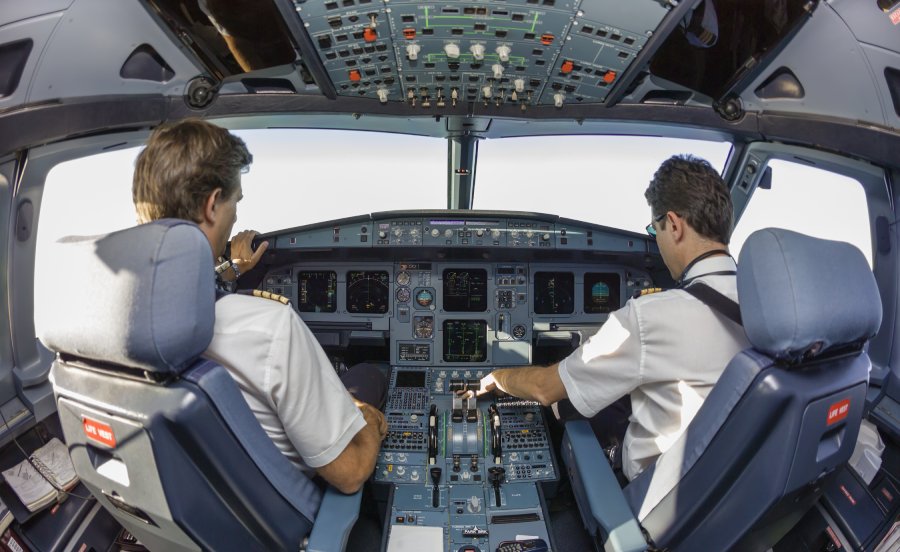
Private pilot license training in cockpit
Choosing the Right School

Top Flying Schools in India - How Do You Choose the Right One?

Students comparing the best flying schools in India need a decision framework grounded in substance, not advertising. The school you choose affects your pace, safety culture, cost control, and career readiness. Before enrolling anywhere, verify the fundamentals that actually shape outcomes.

01

DGCA approval status

Only DGCA approved flying schools in India are authorised to issue training records that count toward your licence. Verify the Flying Training Organisation status before paying any fees.

02

Fleet condition and availability

Ask how many aircraft are operational, what the aircraft-to-student ratio looks like, and how often maintenance delays affect the schedule. Aircraft availability directly influences completion time.

03

Completion rates and pass percentages

Strong schools can explain how many students complete on time and how students perform in DGCA written exams. Transparency here is a sign of real confidence.

04

Instructor experience

Your instructor shapes your foundation. Ask about total hours, operational background, and whether the school emphasizes structured briefing and debriefing.

05

Infrastructure and training environment

Airport activity, ATC exposure, runway conditions, and weather reliability all affect the quality of your flight training environment.

06

Alumni network and placement support

Where graduates go after training is one of the clearest indicators of institutional quality. Strong alumni outcomes matter.

Transparent fee structure

Reputable aviation training institutes in India provide itemised clarity around tuition, flying charges, exam fees, accommodation, and planning support. Hidden costs should never be normalised.

DGCA Framework

DGCA Approved Flying Schools in India - The Regulatory Framework

The DGCA operates under the Ministry of Civil Aviation and is the authority responsible for licensing, certification, and oversight of civil aviation activity in India. For any student pursuing a commercial pilot course or pilot license course, DGCA approval is not an optional detail. It is the legal basis of the entire training pathway.

Training at a non-DGCA-approved institution means your flight hours do not carry licensing value. That is a costly mistake no student can afford to make.

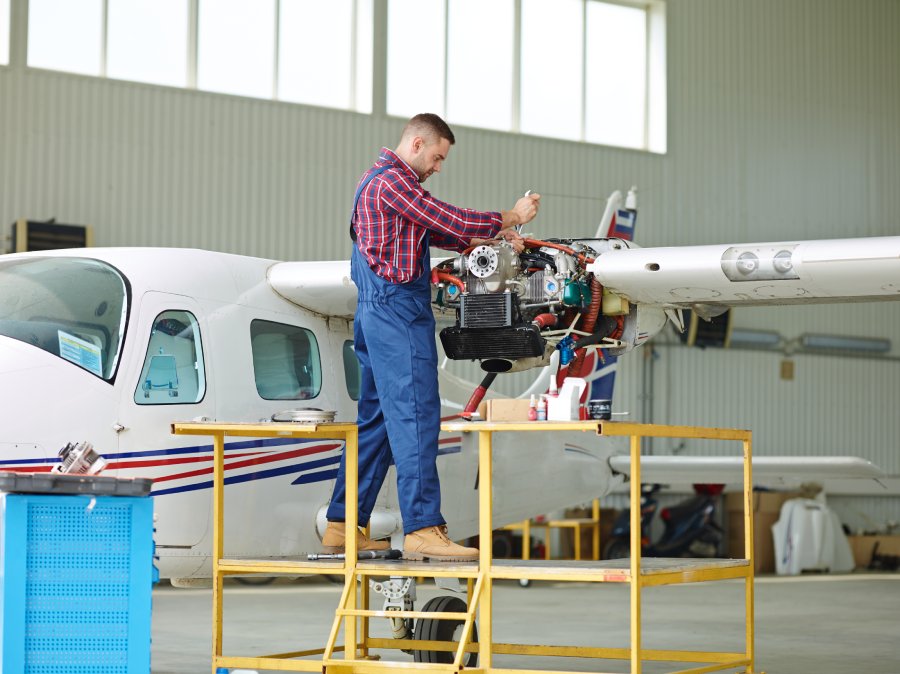
Aircraft inspection and technical oversight relevant to DGCA training standards

What DGCA approval means for your training

  • The curriculum is reviewed against Civil Aviation Requirements.
  • Aircraft meet airworthiness and inspection standards.
  • Instructor qualifications and ratings are validated.
  • Safety management systems are monitored.
  • Flight hours logged at the school are legally valid toward licence issue.

For students and families, this approval gives confidence that training records, operational standards, and flight-hour documentation are maintained within the framework required for a valid aviation career pathway.

DGCA exams - what students should expect

  • Air Navigation for chart reading, calculations, and route planning.
  • Meteorology for weather interpretation and operational decision-making.
  • Air Regulations for ICAO principles, Indian law, and operating rules.
  • Technical General for aircraft systems, aerodynamics, and engines.
  • Technical Specific for aircraft-type system knowledge.
  • Radio Telephony for communication procedures and phraseology.

Our training approach prepares students with structured subject-wise modules, practice papers, revision loops, and mock simulations. A strong academy does not just tell students what to study. It teaches them how to become exam-ready and operationally mature at the same time.

Aviation training mentor working with aircraft systems
Academy of Aviation

Our Story, Mission, and Values as an Academy of Aviation

We did not build this institution to fill seats. We built it to build pilots. That difference matters because aviation rewards discipline, humility, consistency, and judgment. These traits are not created through shortcuts. They are developed through training culture.

Our academy of aviation was founded around one principle: every student who walks through the door deserves world-class training, not a factory-style experience. That means individual attention, honest planning, measured progress, and continued investment in infrastructure and instructional quality.

Safety first

Safety is introduced from day one as a habit, not as a slogan. Students learn to think like professionals before they are expected to perform like professionals.

Individual progress matters

Every student learns differently. We do not rush fundamentals simply to preserve appearances or timelines.

Transparency matters

Costs, progress, exam readiness, and training milestones should be communicated clearly to students and families.

Mentorship beyond the logbook

Professional pilot growth includes communication, judgment, emotional steadiness, and long-term career planning, not just logged hours.

Student Life

Life at Our Flying School - What Students Experience

Students attending orientation and ground briefing

The first week

Students begin with orientation, schedule briefings, instructor introductions, documentation review, and medical planning guidance where needed. Ground school starts early, and aircraft familiarisation follows quickly so that students understand from the beginning that aviation is both academic and operational.

Instructor-led ground school session

Ground school life

Ground school usually runs through a steady weekly rhythm of classes, briefing sessions, simulator preparation, revision blocks, and self-study. Strong study habits built here have a direct effect on DGCA exam performance and cockpit discipline later.

Student pilot during flying session

Flying days

Flight operations often begin early because weather is commonly best in the morning. Over time, students settle into the rhythm of brief, fly, debrief, reflect, and repeat. It is demanding, but it is also one of the most rewarding stages of aviation training.

Student community

Aspiring pilots join from all across India, from metropolitan cities to small towns, from Science backgrounds to non-traditional academic routes. One of the most reassuring parts of training is realising that many committed students are building the same dream with seriousness and discipline.

Commercial pilot licence roadmap discussion
Fees and Financial Planning

Fee Structure and Financial Planning for Pilot Training

Aviation training is a major financial commitment, and families deserve straightforward planning guidance. A complete commercial pilot course in India often falls within a broad range of roughly Rs. 35 lakh to Rs. 65 lakh depending on school quality, aircraft type, ratings, training pace, and accommodation needs.

That said, students should never compare schools by price alone. A lower quoted figure can become more expensive if flying is delayed by poor aircraft availability or if hidden charges appear later. The better question is not only what the fee is, but how efficiently and transparently the academy can guide you to completion.

Is the investment worth it?

For students who complete training successfully and enter airline pathways, the long-term return can be strong. Aviation in India continues to expand, and professionally trained pilots remain in demand. The key is to invest in training quality, not just admission paperwork.

Scholarship and financing options

Many students rely on education loans or structured payment planning. We guide students through what needs to be prepared so financial planning becomes orderly and realistic instead of reactive.

Frequently Asked Questions

Commercial Pilot Training in India - FAQs

Pilot training student in simulator session
Can I become a commercial pilot after 12th Science?

Yes. DGCA requires 10+2 with Physics and Mathematics. After Class 12 and the required medical clearance, you can begin commercial pilot training.

How long does it take to complete the commercial pilot course?

An integrated route usually takes around 18 to 24 months. Modular pathways may take longer depending on finances, scheduling, and continuity.

What is the minimum age for CPL in India?

You must be 18 years old at the time of CPL issuance. Solo milestones begin earlier depending on the stage of training.

How many flight hours are required for a commercial pilot licence in India?

DGCA mandates a minimum of 200 total flight hours, including at least 100 hours as Pilot-in-Command.

Is a DGCA approved flying school mandatory?

Yes. Flight hours from a non-approved school are invalid toward a DGCA licence, so approval must always be verified first.

Can I do pilot training after a non-Science background?

Yes, if you complete Physics and Mathematics through an accepted route such as NIOS and satisfy the rest of the eligibility requirements.

What is the difference between PPL and CPL?

A PPL allows personal, non-commercial flying. A CPL allows flying for remuneration and is required for airline and other professional flying careers.

Do you offer accommodation support for outstation students?

Yes. Students coming from outside the city can receive accommodation guidance as part of the admissions and planning process.

Admissions

Admissions - How to Begin Your Pilot Training Journey

Getting started is straightforward. Begin with an enquiry and counselling discussion, complete your medical planning early, go through readiness review where required, finalise admission documentation, and then begin orientation and training. India's aviation sector is in an expansion phase, and the right time to build a strong foundation is now.

The sky is not the limit. It is the beginning. Join a DGCA approved flying school that takes your ambition seriously and helps you build a disciplined path toward the cockpit.

Pilot walking through airport for aviation career